LiquiLab Datasheet
What the parameters mean: a closer look at the standards and specifications guiding LiquiLab’s design.
Find out more


£1.00
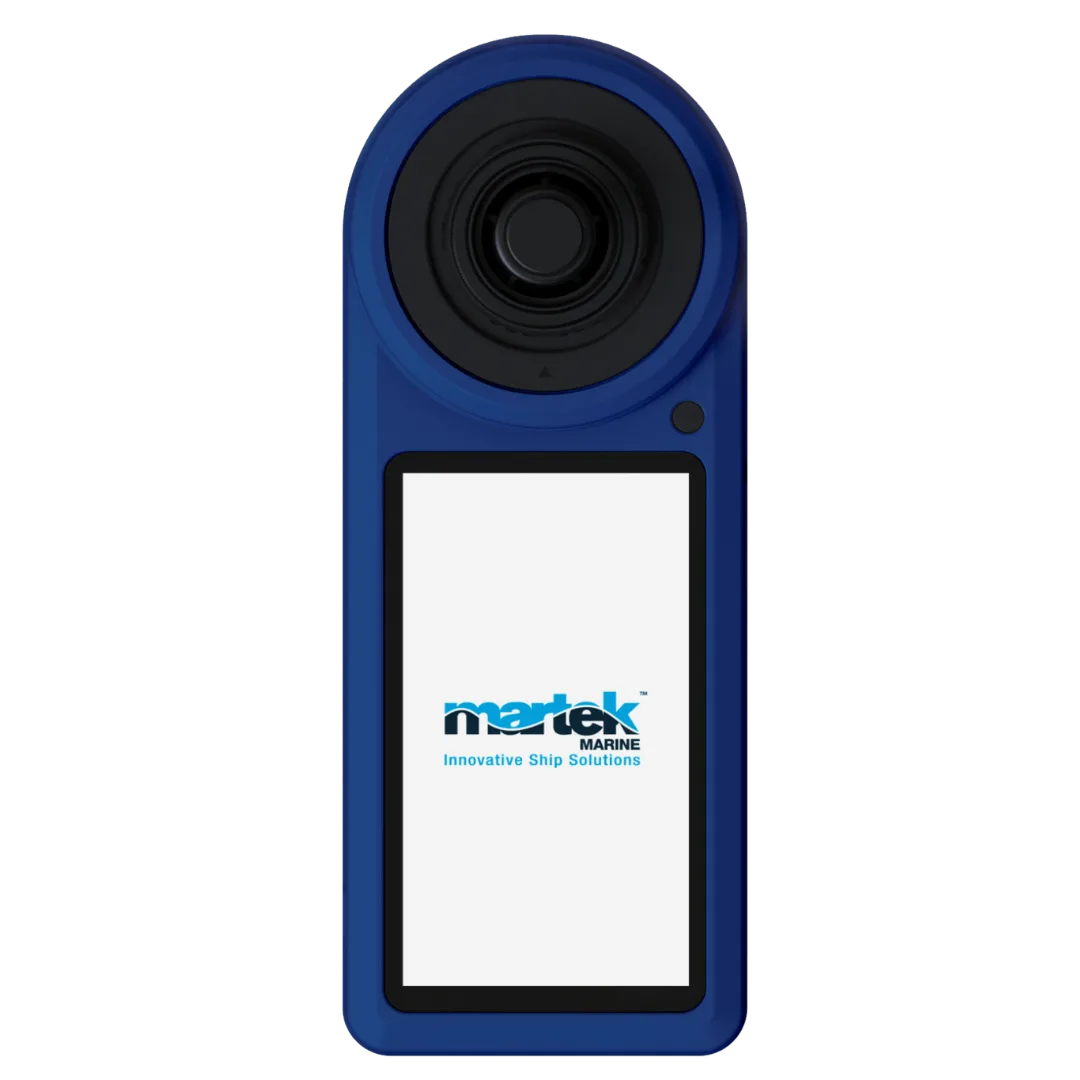
Providing safe drinking and washing water is not only a necessity, but also a fundamental requirement under the Maritime Labour Convention (MLC, 2006). LiquiLab delivers a new standard in potable water testing, ensuring you meet—and exceed—your obligations for crew welfare and safety. It is widely advised that every vessel has a Water Safety Plan (WSP) in place. LiquiLab is the ideal tool for implementing, monitoring, and documenting your WSP with digital accuracy.
Benefits;
Total Confidence in Every Drop
From bacteria to chemical balance, LiquiLab empowers you to verify water safety instantly, whether you’re using bunkered water, producing it onboard, or managing a treatment system. LiquiLab tests for key potable water parameters, including:

Bacteria
E-coli / Coliforms,
Enterococci,
Legionella,
Total Bacterial Count
Disinfectants
Total / Free Chlorine,
High Range Chlorine
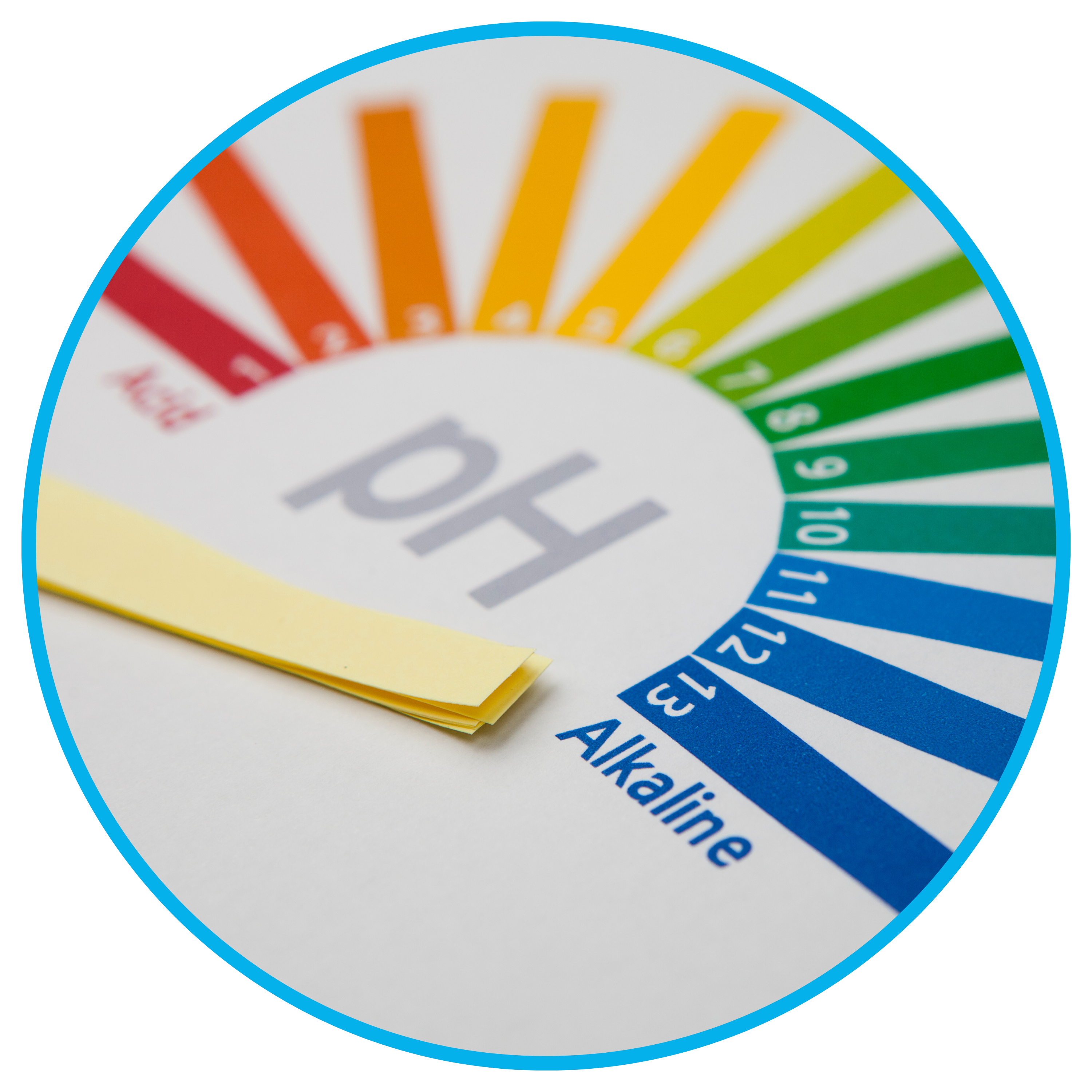
Physical Properties
pH, Turbidity, Colour,
Hardness
Chemical Contaminants
Iron, Copper,
Nitrate, Nitrite,
and more.
.
Get Clear on Your Testing Solutions
See the complete LiquiLab range in one handy guide. Stay on top of testing, safety, and compliance with ease.
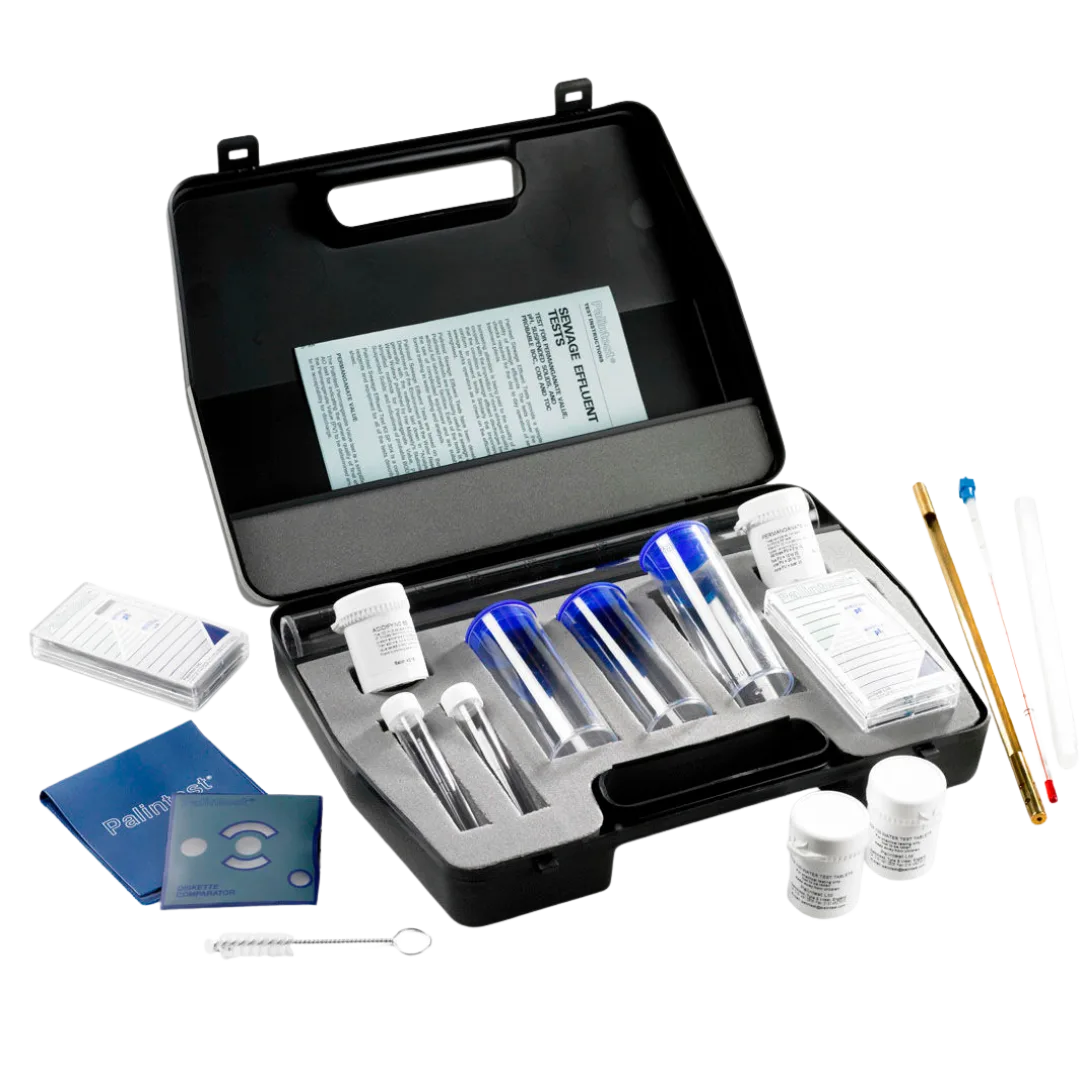
Achieve fleet-wide consistency. Review the individual components engineered for comprehensive water quality management. Each item ensures your marine testing kit is accurate and ready for every vessel.
All Resources
All the technical data, regulatory parameters, and performance insights you need to guarantee compliance and streamline water testing.

What the parameters mean: a closer look at the standards and specifications guiding LiquiLab’s design.
Find out more Inside LiquiLab: explore what’s included, how it performs, and the benefits it delivers on board.
Find out moreUnder the Maritime Labour Convention (MLC 2006), shipowners must ensure that drinking and washing water is free from any organisms or chemicals that could cause sickness. Regular verification is required for both bunkered and produced water, covering parameters like E. coli, Coliforms, Enterococci, and disinfectant levels (Chlorine) to ensure the supply remains safe throughout storage and distribution.
A Water Safety Plan (WSP) is a systematic approach to managing risks within the ship’s water system, from the source to the tap. It is widely advised that every vessel implements a WSP to monitor water quality fluctuations caused by tropical temperatures, stagnant piping, or cross-contamination. Digital testing tools facilitate this by providing accurate, repeatable data for WSP documentation and reporting.
Moving to a digital recording system allows for full traceability and audit readiness without the risk of human error associated with manual logs. By using cloud-based software to store test results, vessels can instantly generate reports for inspectors, proving that all parameters, whether Turbidity and Colour or Iron and Copper, meet international guidelines.
Have a question about Potable Water Testing? Our team is ready to assist with product details, ordering, or technical guidance.